Classical
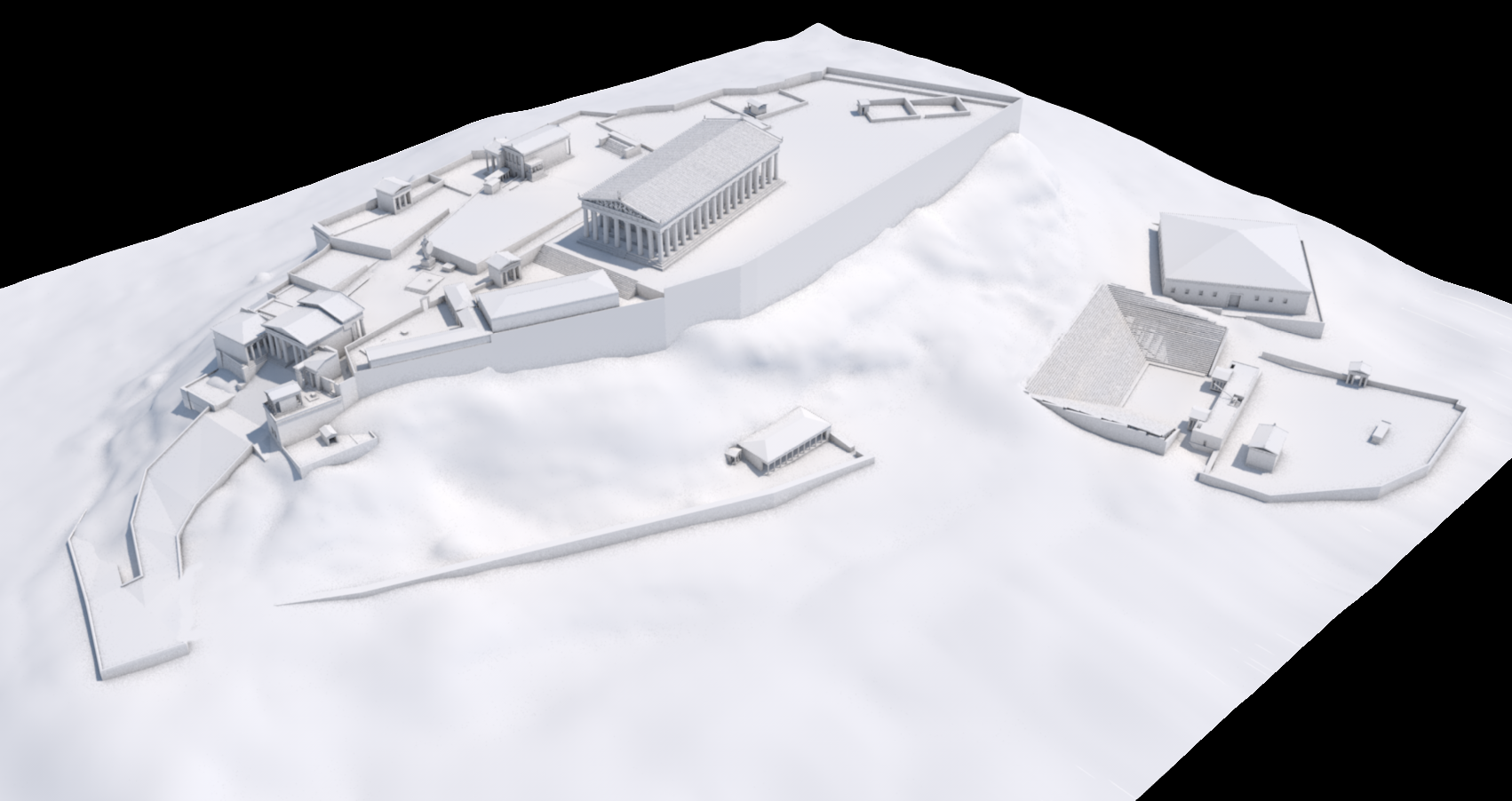
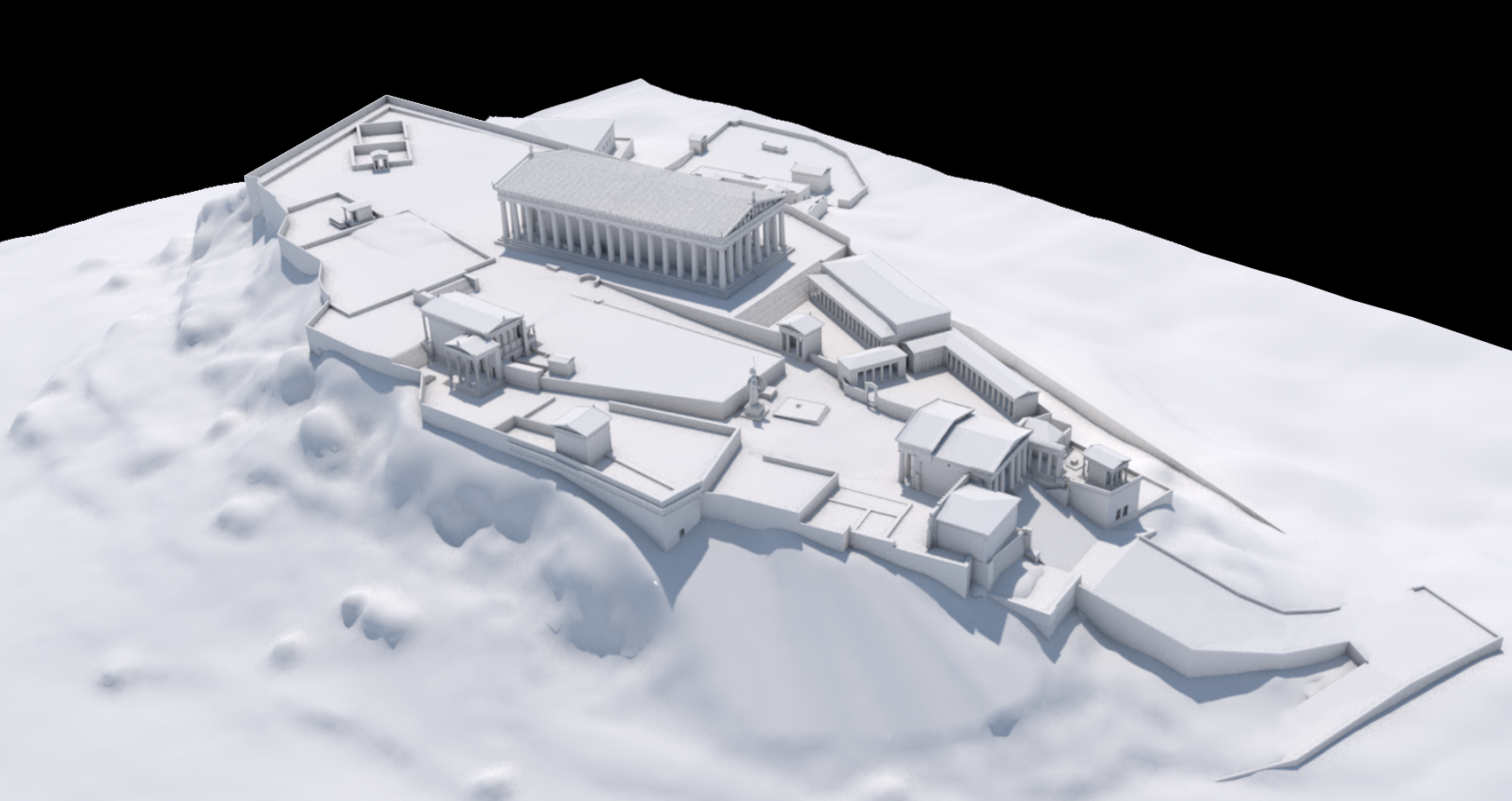
During the second half of the 5th century BC, the Sanctuary of Athena on the Acropolis, which had been destroyed by the Persians, was gradually rebuilt according to an ambitious and unified building programme conceived by Perikles, the leading statesman of Athens. The programme expressed the Athenians’ gratitude to their patron goddess for her support in their victories over the Persians, while at the same time proclaiming the achievements of the Athenian state and reinforcing its claim to Panhellenic leadership. It included the construction of three magnificent marble temples dedicated to the three principal aspects of Athena—as Parthenos, Polias, and Nike—as well as the monumental entrance gateway, the Propylaia, together with other sanctuaries and ancillary buildings. Dominating the plateau of the hill among numerous votive monuments stood the statue of Athena Promachos, while the caves on its slopes housed a variety of cults closely associated with the religious and civic life of the city. On the southeastern slope of the Acropolis, beside the architecturally designed ceremonial space of the Theatre of the Sanctuary of Dionysos Eleuthereus, a roofed Odeion was constructed for musical performances.