Sanctuary of the Nymph
Sanctuary of the Nymph
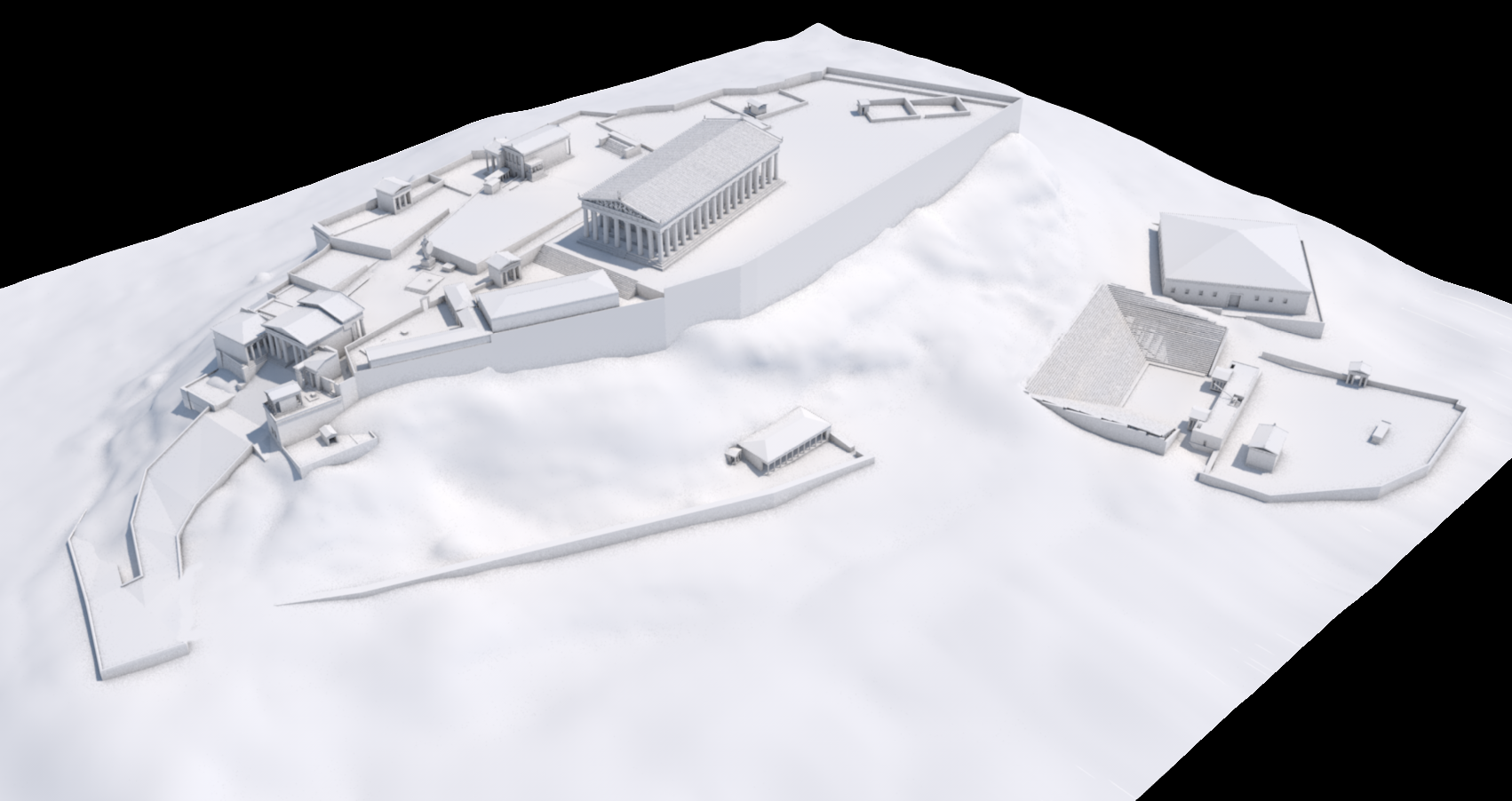
Open-air sanctuary on the south slope of the Acropolis, south of the Odeion of Herodes Atticus, closely associated with wedding rituals. The foundation of the cult place is dated to the third quarter of the 7th century BC. In the early 5th century BC, the area was laid out with an elliptical enclosure measuring approximately 12.50 × 10.50 m, with two entrances, one to the west and one to the south. The preserved walls of the enclosure belong to two building phases: the lower phase consists of irregular limestone blocks supporting a superstructure of mudbrick, while the upper phase, built of smaller stones, belongs to later repairs. At the centre of the enclosure are the foundations of an altar built of polygonal stones, while two marble stelai were found in situ at the north-west corner. A large number of votive offerings was found inside and around the sanctuary, including nuptial loutrophoroi, lekythoi, aryballoi, kylikes, lamps, pinakes, terracotta figurines and masks. The identification of the site as the Sanctuary of the Nymphe is confirmed by numerous graffiti on pottery and by a marble boundary marker of the second half of the 5th century BC bearing the inscription “boundary of the Sanctuary of Nymphe". Particularly numerous among the finds are the loutrophoroi; these vessels were used to carry water for the bridal bath and directly associate the cult of the Nymphe with wedding rituals.